Why a Proper Fit Isn't Optional
Knowing how to wear body armor the proper way isn't a detail you can afford to overlook — it's the difference between protection and a dangerous false sense of security. A plate that sits correctly while standing still can shift significantly during movement, vehicle operations, or prone shooting if the carrier isn't adjusted properly. Even small coverage gaps can expose critical anatomy under dynamic movement.
That can leave the heart, lungs, and major blood vessels vulnerable to the exact threats the armor was designed to stop.
The National Institute of Justice (NIJ) makes an important point in its body armor guidance: “protection only works when armor is properly selected, fitted, and worn correctly.” Every piece of NIJ certified body armor is engineered to perform within strict parameters — and fit is one of those parameters. When body armor plates sit too high, too low, or too far to one side, the ballistic panels no longer cover what they're supposed to.
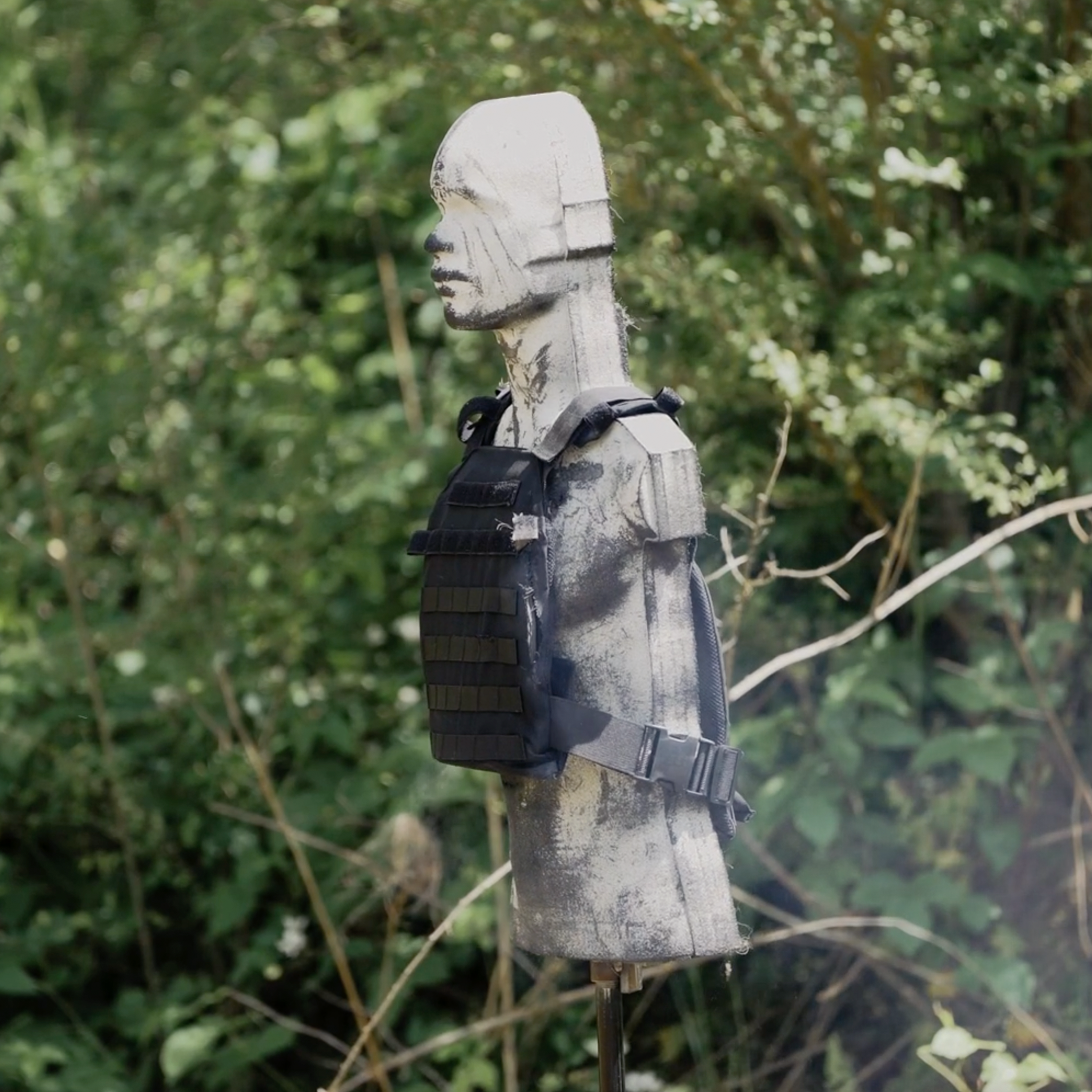
Fit determines performance. A properly sized tactical plate carrier positions your hard armor or soft armor plates directly over your vital anatomy while still allowing natural movement. An ill-fitting carrier doesn't just reduce coverage — it can also interfere with mobility, weapon handling, and reaction time under stress.
Getting the fit right starts with one simple step: measuring correctly.
Important Note: Understanding Body Armor Sizing Beyond Chest Measurement
Your chest measurement is the starting point for sizing body armor — but it shouldn't be the only factor guiding your decision.
One of the most common mistakes first-time buyers make is assuming body armor should fit like clothing. It doesn't. Tactical plate carriers and rifle plates are designed to protect vital organs, not wrap the entire torso.
That means proper sizing depends on several factors working together:
-
Chest width
-
Torso length
-
Plate dimensions
-
Shoulder mobility
-
Intended use
A larger plate doesn't automatically mean better protection. Oversized plates can interfere with shouldering a rifle, restrict arm movement, create discomfort while seated, and increase fatigue during extended wear. On the other hand, plates that are too small may leave critical anatomy exposed.
The goal is to balance protection and mobility — not maximize coverage at the expense of movement.
Once you've measured your chest, use Caliber Armor's sizing chart as a starting point — then consider how the plate will actually sit and move on your body.
Step 1: Measure Your Chest Correctly
Before you can answer the question of how is body armor supposed to fit, you need a reliable number: your chest measurement. It sounds simple, but getting this wrong is one of the most common mistakes first-time buyers make.
Here's the right way to do it:
-
Wrap a soft measuring tape around the fullest part of your chest, passing it under your arms and across your shoulder blades.
-
Keep the tape level — it should sit parallel to the floor across your entire back.
-
Don't pull it tight. The tape should be comfortably snug, not compressing your chest. You're measuring your natural chest circumference, not trying to squeeze into something smaller.
Once you have that number, match it to Caliber Armor's sizing chart:
|
Chest Measurement |
Plate Size |
|---|---|
|
32–35" |
XS |
|
36–39" |
S |
|
40–43" |
M |
|
44–47" |
L |
|
48"+ |
XL |
Understanding the Two-Inch Rule
One of the most important concepts in proper body armor fitment is what's commonly referred to as the "two-inch rule." This guideline helps ensure your armor plates protect your vital organs without unnecessarily restricting mobility.
The rule is straightforward:
-
Your plate should generally cover the width between your nipples horizontally
-
Vertically, the plate should extend from the jugular notch down to approximately 2–3 inches above your navel
This coverage zone is designed to protect the heart, lungs, and major blood vessels — the areas most critical to survivability in a ballistic event.
First-time buyers often assume larger plates automatically provide better protection, but oversized armor can create serious problems. Plates that extend too low can interfere with sitting, crouching, bending, or drawing from a belt setup. Plates that are too wide may limit shoulder mobility and make it difficult to shoulder a rifle properly.
Body armor is not designed to wrap the entire torso. It's engineered to protect vital anatomy while still allowing you to move, react, and operate effectively under stress.
The two-inch rule creates that balance between protection and mobility — which is exactly what proper body armor fit is meant to achieve.
TL;DR: Proper Body Armor Sizing
-
Measure the fullest part of your chest without pulling the tape tight
-
Chest measurement is only the starting point — torso length, plate dimensions, and mobility also matter
-
Your plates should protect vital organs, not cover your entire torso
-
Follow the "two-inch rule" by positioning plates from the jugular notch to roughly 2–3 inches above the navel
-
Oversized plates can restrict movement, interfere with rifle handling, and increase fatigue
-
Proper fit balances protection, comfort, and mobility

SAPI Cut vs. Shooter Cut: Which Should You Choose?
Once you've got your chest measurement locked in, the next decision is plate profile — and for first-time buyers, this choice trips up more people than expected. The two most common options you'll encounter are SAPI cut and Shooter cut, and they're not interchangeable.
SAPI cut (Small Arms Protective Insert) features angled upper corners that mirror the profile originally designed for military-issued carriers. It offers slightly more coverage across the upper chest and is the standard shape in many tactical plate carrier systems.
Shooter cut plates have a more pronounced notch cut from the upper corners. That extra material removed from the top isn't just cosmetic — it allows for a full range of rifle stock positioning without the plate digging into your shoulder or collarbone during aimed fire.
For a first-time buyer, here's a practical framework:
-
Choose SAPI cut if your primary concern is maximum protection coverage and you're not mounting a rifle regularly
-
Choose Shooter cut if you'll be running a rifle and need unrestricted shoulder movement
Both profiles are commonly available in Level III, Level III+ and Level IV hard rifle plates. The right cut comes down to balancing protection and mobility based on how you'll actually use your setup.
If maximizing upper chest coverage is the priority, SAPI cut plates offer slightly more surface area. If rifle handling and shoulder mobility matter more, Shooter cut plates provide additional clearance for a more natural stock placement.
The best plate profile is the one that keeps vital areas protected without restricting the movement you need to operate effectively.
Single Curve vs. Multi Curve Plates
Plate shape isn't the only factor that affects body armor fit. The curvature of the plate itself also plays a major role in comfort, stability, and long-term wearability.
Most rifle plates fall into one of two categories: single curve or multi curve.
Single curve plates feature one continuous bend across the plate. They're durable, cost-effective, and commonly used in many body armor setups. However, because the human torso isn't flat, single curve plates may create pressure points during extended wear — especially around the chest, ribs, and abdomen.
Multi curve plates are designed with several contour points that better match the natural shape of the body. This creates a more ergonomic fit and distributes weight more evenly across the torso.
For first-time buyers, the practical differences are noticeable:
-
Multi curve plates typically feel more comfortable during extended wear
-
They often reduce hot spots and pressure points
-
Improved contouring can help minimize plate shifting during movement
-
Many users find multi curve plates easier to wear while seated, crouching, or moving dynamically
Single curve plates can still provide excellent ballistic protection, but comfort and mobility may become more important if you plan to wear body armor for long periods of time.
Fit isn't only about plate size — it's also about how naturally the armor moves with your body.
With your profile selected, placement is what determines whether that protection actually works.
It's also important to understand that not all multi curve plates are built the same way. Some manufacturers achieve a "multi curve" profile by applying simple horizontal and vertical bends using a traditional press brake. While this creates basic contouring, it differs significantly from a true stamped multi curve design.
Caliber Armor's multi curve rifle plates utilize a true stamped forming process that creates a more natural anatomical shape across the chest and torso. This allows the plate to sit closer to the body, improving comfort, reducing pressure points, and helping minimize movement during extended wear.
How to Position Your Plates Correctly
Getting the right plate size is only half the battle. Even perfectly sized rifle plates can leave you dangerously exposed if they're positioned incorrectly inside your tactical plate carrier. Proper placement determines whether your body armor performs as intended in a real-world scenario — or simply adds unnecessary weight.
Front Plate Placement
The front plate has one non-negotiable anchor point: the jugular notch — the small V-shaped dip at the base of your throat where the collarbones meet. The top edge of your front plate should sit flush with this point. This ensures the plate is properly indexed over the upper chest and vital organs without riding too high into the neck during movement.
From there, the lower edge of the plate should follow the natural protection zone established by the “two-inch rule” covered earlier — typically ending just above the navel area. This keeps the heart, lungs, and major vessels protected while still allowing you to sit, bend, and maneuver without interference.
Back Plate Placement
The back plate mirrors the front in height and alignment. The top edge should match the height of the front plate at the jugular notch reference point to ensure consistent, level coverage across the torso.
From top to bottom, the rear plate should align with the same general coverage zone as the front. This keeps spinal and upper back protection consistent while maintaining symmetry in how the carrier rides during movement. In most setups, plate length is identical front and back — meaning proper alignment of the top edge naturally ensures correct rear placement.
A common configuration is a Shooter cut front paired with a SAPI cut rear to improve shoulder mobility while maintaining maximum rear coverage.
Side Plate Options
Side plates are often overlooked by first-time buyers. 6x6" and 6x8" options provide coverage for your abdominal area and heart, protecting the gaps that a front and back plate simply can't reach.
Perform a Real-World Movement Test
A body armor setup that feels fine while standing still can become restrictive the moment you start moving. That's why every properly fitted tactical plate carrier should be tested through real-world movement before you rely on it.
Once your rifle plates and carrier are adjusted, run through a full range of motion test:
-
Raise your arms overhead
-
Shoulder your rifle naturally
-
Transition between shoulders
-
Sit and crouch comfortably
-
Move into a prone shooting position
-
Bend at the waist
-
Enter and exit a vehicle if applicable
Your body armor should remain stable throughout these movements without shifting excessively, digging into your throat or abdomen, or restricting your ability to move naturally.
Pay close attention to how the carrier feels during rifle presentation. Oversized plates or improperly adjusted shoulder straps can interfere with stock placement, reduce mobility, and slow your reaction time under stress.
Movement testing also helps identify common fitment issues that aren't obvious while standing still, including:
-
Plates riding too low during movement
-
Excessive carrier bounce or sagging
-
Restricted shoulder mobility
-
Gaps opening around vital coverage zones
-
Pressure points caused by improper plate sizing
A properly fitted tactical plate carrier should feel secure and stable while still allowing you to move, react, and operate effectively. Protection matters — but mobility is part of protection too.
Choosing the Right Plate Carrier
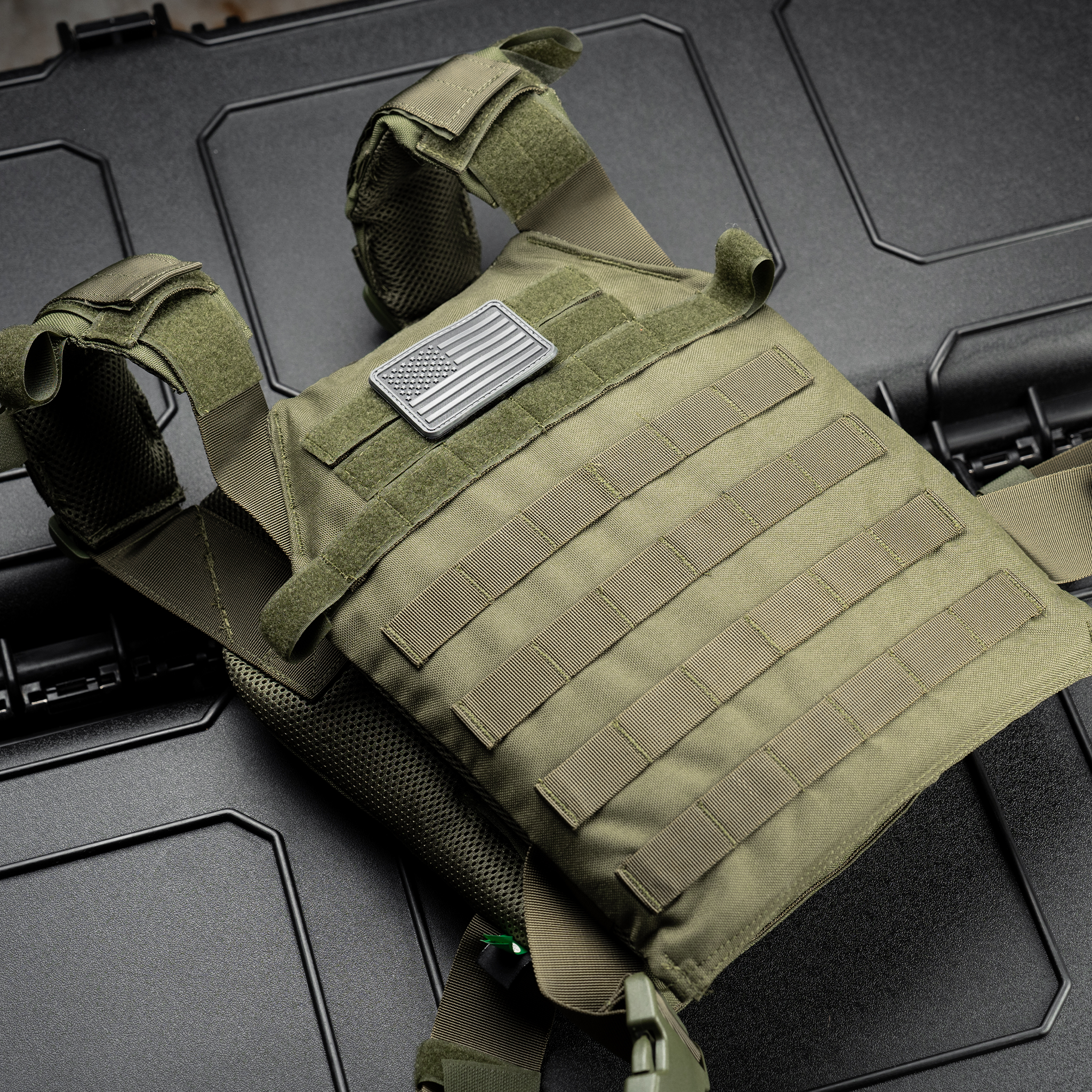
Now that you understand proper plate positioning, the next step is making sure your tactical plate carrier actually fits those plates — because a carrier that doesn't match your plate size creates the same coverage problems as wearing the wrong plate size in the first place.
The fit rule is straightforward: your carrier's plate pockets must match your plate dimensions exactly. An undersized pocket compresses the plate and causes misalignment, pushing it out of the protection zone you carefully dialed in. An oversized pocket lets the plate shift freely, meaning that front plate can drift away from the jugular notch position every time you move. Either scenario defeats the purpose of wearing body armor at all.
When evaluating your first tactical plate carrier, look for these key features:
-
Plate pocket sizing that matches your specific plate dimensions (10x12" plates need 10x12" pockets)
-
Adjustable shoulder and side straps for a snug, stable fit across different body types
-
MOLLE webbing for attaching essential accessories without compromising plate position
-
Breathable materials for extended wear comfort
Caliber Armor's line of tactical plate carriers is designed to pair directly with their NIJ certified body armor plates, eliminating the guesswork for first-time buyers. Browse Caliber Armor's plate carriers to find a matched plate and carrier setup sized to your measurements.
Once your setup is dialed in, protecting your investment through proper care becomes the next priority.
Caring for Your Body Armor
A well-fitted body armor or tactical plate carrier is only as reliable as the care it receives. Even NIJ certified body armor will degrade faster than it should if you skip the basics — and degraded armor is armor you can't trust.
Armor that's been improperly stored or damaged may no longer perform to its rated protection level, even if it looks fine from the outside. How you treat your armor between uses is just as important as how you wear it.
See Caliber Armor’s Care, Use and Fitting Guide to learn more on caring for your armor in between uses.
Get the Right Fit with Caliber Armor
Proper fit isn't a detail — it's the entire point. Everything covered in this guide, from the two-inch rule to jugular notch positioning, only works when your tactical plate carrier and body armor with plates are sized correctly for your body.
As the National Institute of Justice makes clear, there is no such thing as a body armor — only NIJ certified body armor that performs within tested parameters when worn correctly.
Caliber Armor's plate and carrier systems are sized for real people, and with the information we provide, you don't have to guess about the best fit.
Ready to find your fit? Browse Caliber Armor's full selection of tactical plate carriers, Level IV body armor, or reach out directly with sizing questions. Use our body armor fitting guide or give us a call.
Key Takeaways of the Body Armor Fitting Guide
-
Proper body armor fit is critical for protecting vital organs and maintaining mobility under stress
-
Chest measurement is only the starting point — torso length, plate dimensions, and movement all affect proper fit
-
Follow the "two-inch rule" by positioning plates from the jugular notch to roughly 2–3 inches above the navel
-
Body armor is designed to protect vital anatomy, not cover the entire torso
-
Oversized plates can restrict movement, interfere with rifle handling, and increase fatigue during extended wear
-
SAPI cut plates prioritize coverage, while Shooter cut plates improve shoulder mobility for rifle use
-
Multi curve plates typically provide better comfort and contouring during extended wear compared to single curve plates
-
A properly adjusted tactical plate carrier should remain stable without excessive shifting, sagging, or restricting movement
-
Always perform a movement test by crouching, sitting, raising your arms, and shouldering a rifle before relying on your setup
-
Proper fit balances protection, comfort, and mobility — all three matter