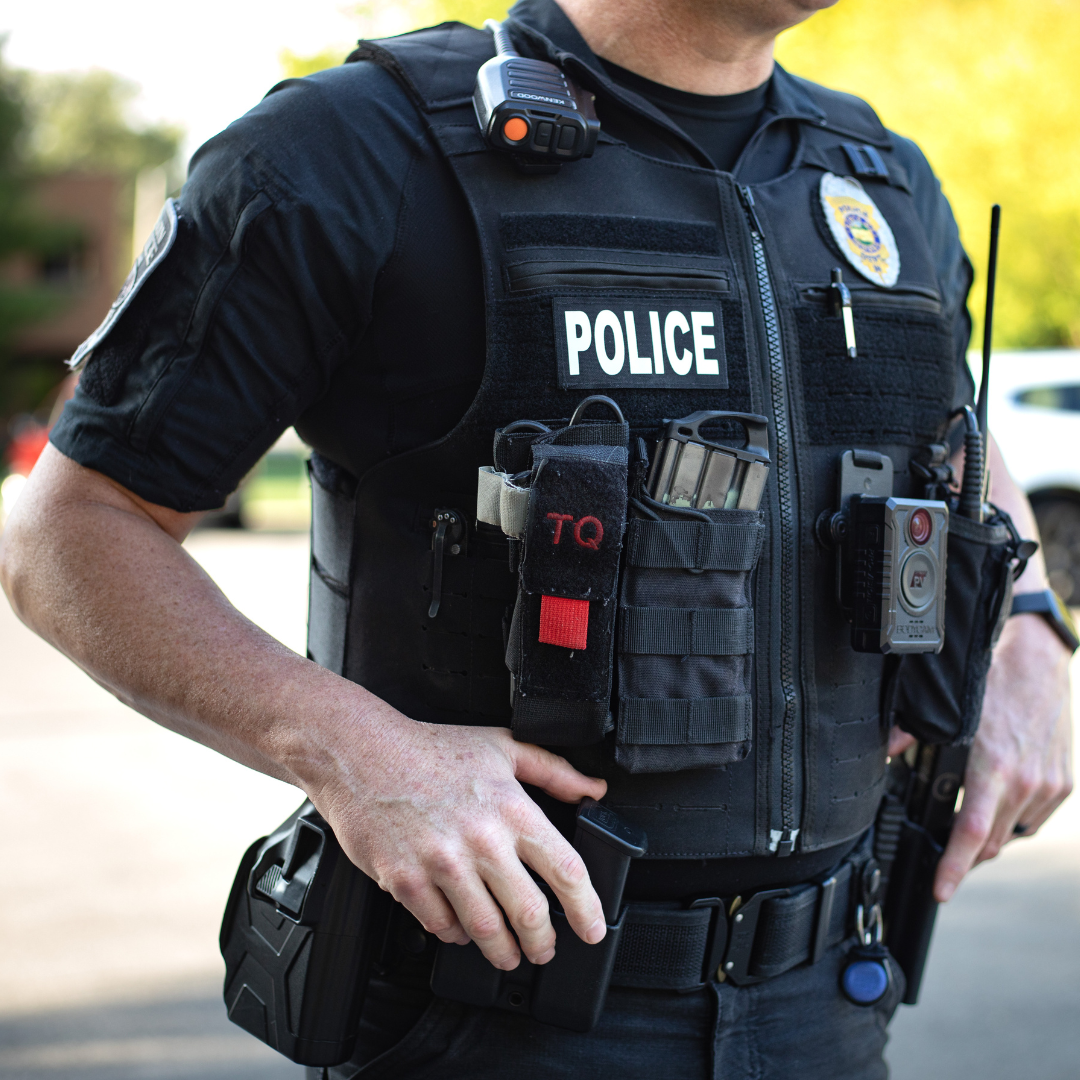
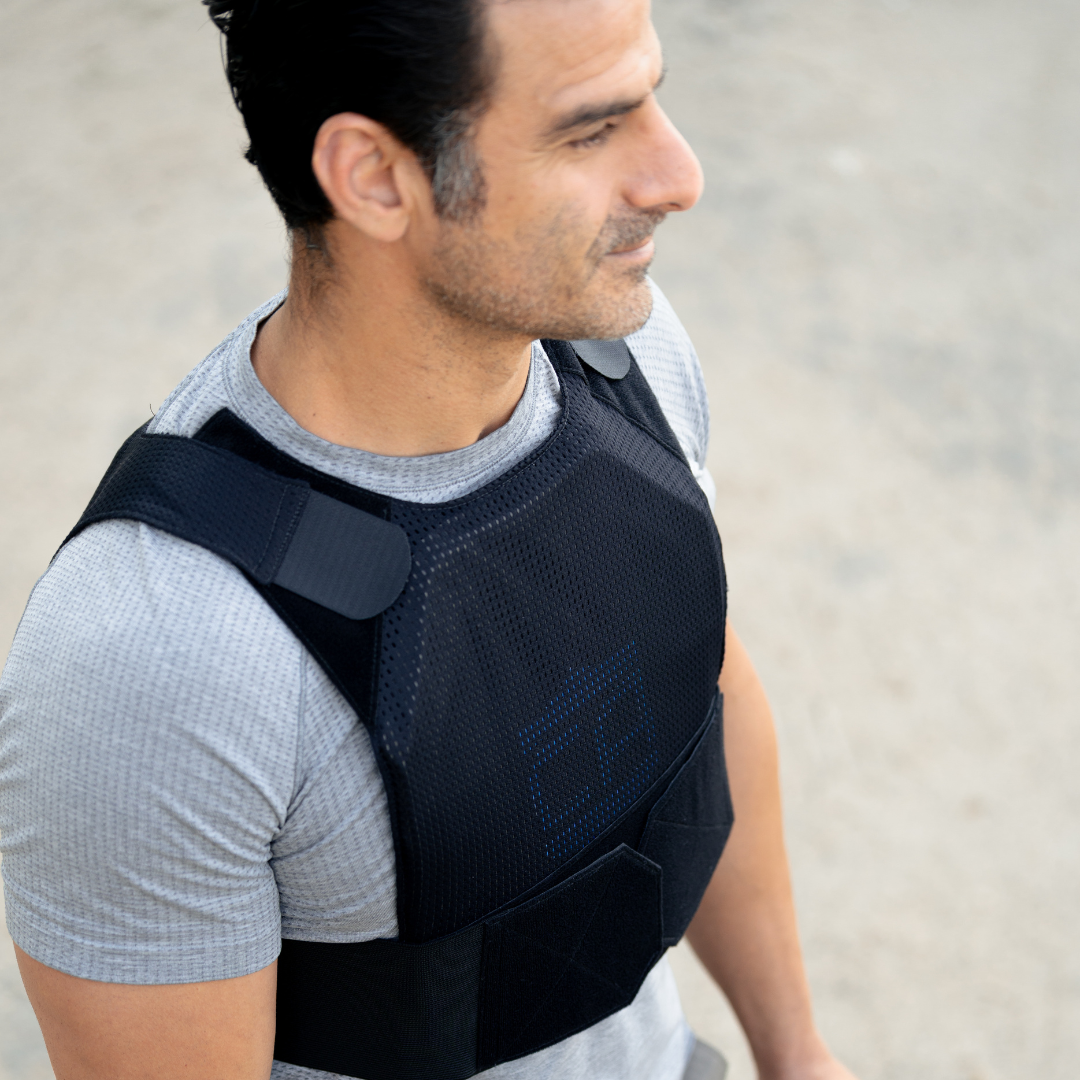
Understanding the Break-In Period for Soft Body Armor: What to Expect from CaliberX
When you invest in soft body armor, comfort is just as important as ballistic protection. CaliberX Soft Armor—built from a hybrid of UHMWPE materials and para-aramid fabric—is engineered to offer exceptional flexibility, durability, and multi-hit performance. But like any high-performance piece of equipment, it improves with use.
Whether you’re a patrol officer, security professional, or a civilian building out a personal protection setup, understanding the break-in period will help you get the most from your armor.
Why Soft Body Armor Has a Break-In Period
Soft armor is made to stop high-velocity threats while remaining flexible enough to move with your body. Our CaliberX panels combine two premium components:
- UHMWPE (Ultra-High-Molecular-Weight Polyethylene): A lightweight, high-performance fiber known for its strength and rigidity.
- Para-Aramid Fabric: A proven, flexible material used in protective applications to enhance back face deformation and increase ballistic resistance.
When these materials are layered and sealed, the panels start out relatively stiff. This is intentional. Rigidity helps retain ballistic integrity during storage and transit. Over time, the layers begin to relax and contour to your body’s natural shape. This process is known as the break-in period.
How Long Does the Break-In Period Take?
Most users notice significant flexibility after 15–30 days of regular wear. For full contouring, it may take several weeks, depending on your body type, wearing schedule, and how active you are in your vest.
The panel doesn’t lose protective performance during this process—if anything, a more form-fitting panel offers better comfort and more consistent coverage.
What Happens as the Armor Breaks In?
As the armor molds to your torso, you may notice:
- Greater comfort during long shifts
- Improved mobility
- Less rubbing, pinching, or “boxy” feel
- A smoother fit under uniforms or outer carriers
The materials gradually soften, allowing the panel to flex more easily without compromising ballistic integrity.
Safe and Effective Ways to Break In Your Soft Armor
You should never bend, crease, roll, or aggressively manipulate your armor. These actions can damage the fibers and reduce performance.
Instead, use these safe, approved methods to encourage a comfortable break-in:
1. Wear It Regularly
The most effective method is simply consistent wear. Your natural body heat and movement allow the fibers to relax and shape themselves.
- Daily wear accelerates the process
- Even short periods (1–2 hours) help the armor adapt
2. Engage in Light Movement
The armor responds well to dynamic motion:
- Walking or patrolling
- Sitting and standing
- Light training or range sessions
Everyday activity encourages the panel to flex in the right places.
3. Let Body Heat Do the Work
The UHMWPE and para-aramid layers soften slightly with warmth, allowing them to form-fit more easily. Wearing your armor indoors or under outer layers can speed this up naturally.
4. Adjust Your Carrier Properly
A well-adjusted carrier helps the armor settle into the correct orientation on your body.
Check:
- Shoulder strap tension
- Side cummerbund/snugness
- Overall ride height
A properly fitted carrier ensures the panels break in without forming undesirable bends or stress points. Check out our soft body armor packages here.
5. Use It During Non-Duty Activities
If your job requires long shifts, you may not want extra time in your vest—but short periods off duty can help.
Examples:
- Around the house
- Doing yard work
- Short workouts or walk-through drills
Even 10–15 minutes at a time is beneficial.
What Not to Do
To avoid damaging the armor, never:
- Bend or fold the panels sharply
- Roll them like a yoga mat
- Sit on them or place heavy objects on them
- Attempt to “speed up” the break-in by applying external heat sources (sun exposure is fine; dryers, heaters, or steamers are not)
These actions can compromise fibers or create weak points.
How to Know When Your Armor Is Fully Broken In
Your armor is considered fully broken in when it:
- Conforms naturally to your torso
- No longer feels stiff or rigid
- Doesn’t gap or lift when you bend or twist
Even after full break-in, the armor retains its flexibility and comfort while maintaining the protection you depend on.
Final Thoughts
CaliberX Soft Armor is engineered for long-term performance, balancing flexibility with ballistic strength. The break-in period is a natural—and important—part of maximizing both comfort and fit. With regular wear and proper care, your armor will mold to your body and provide reliable coverage for years.
If you have questions about fit, sizing, or care instructions, our team is always ready to help you gear up with confidence.